Daisy Think: A Perfect Font Pairing for Chic and Cheery Designs
There is a specific kind of magic that happens when two distinct typefaces decide to work together. It isn't just about mixing styles; it is about creating a visual conversation where the script whispers elegance while the sans serif shouts clarity. Daisy Think captures this dynamic perfectly. Designed as a cohesive unit, this premium font collection brings together a playful, handwritten script and a clean, modern sans serif. The result is a versatile tool that adds an instant touch of personality without sacrificing readability or professional polish.
For designers, entrepreneurs, and content creators who struggle to find fonts that balance creativity with functionality, Daisy Think offers a solution that feels both fresh and familiar. Whether you are crafting a wedding invitation, designing a brand identity for a boutique startup, or simply looking to elevate your social media graphics, this typeface family provides the structural integrity and the whimsical flair needed to make your work stand out.
The Visual Personality of Daisy Think
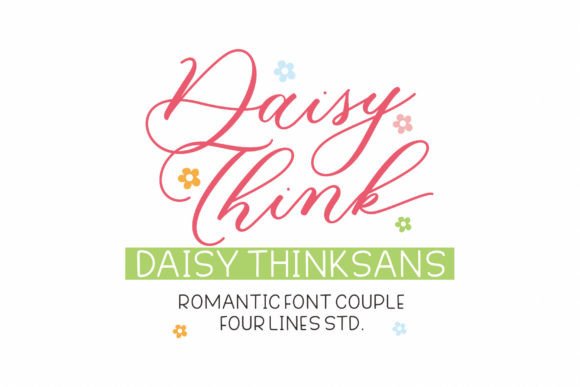
At its core, Daisy Think is defined by its dual nature. The script component is not a stiff, formal calligraphy style but rather a fluid, organic handwritten font that mimics the natural movement of a brush or pen. It features variable stroke widths and charming flourishes that suggest a personal touch, making it feel intimate and approachable. This "cheery" quality is essential for brands or projects that want to convey warmth and friendliness.
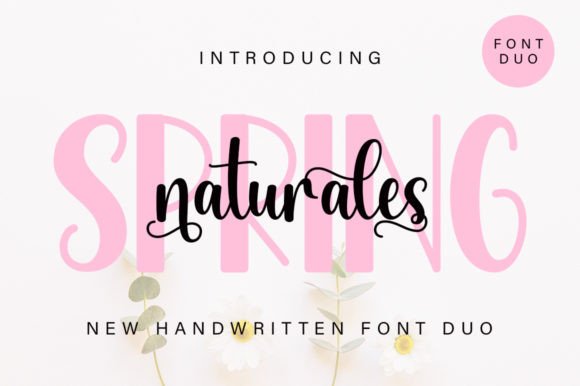
In contrast, the accompanying sans serif font acts as the anchor. It is characterized by geometric precision, open apertures, and a neutral weight that ensures high legibility across different screen sizes and print resolutions. This modern typography does not compete with the script; instead, it provides a calm backdrop that allows the handwritten elements to shine. When used alone, the sans serif offers a crisp, professional look suitable for body text, while the script transforms into a powerful display font perfect for headlines and logos.
The synergy between these two styles creates a balanced hierarchy. The script draws the eye immediately, inviting the reader in with emotion, while the sans serif guides them through the information with ease. This combination prevents the common pitfall of overly decorative designs that sacrifice readability for style. Instead, Daisy Think maintains a chic aesthetic that remains accessible and clear.
Ideally Suited for Brand Identity and Packaging
One of the strongest applications for this creative font is in building a cohesive brand identity. Small business owners often struggle to define their visual voice without looking amateurish. Daisy Think solves this by offering a complete typographic system right out of the box. Imagine a coffee shop branding package where the logo uses the elegant script to suggest artisanal quality, while the menu items and price lists utilize the clean sans serif for easy reading.
Packaging design also benefits immensely from this pairing. In a crowded retail environment, products need to communicate value instantly. Using the script on the front label can create a sense of handcrafted care, which resonates deeply with consumers looking for authentic goods. Meanwhile, the sans serif handles the legal disclaimers, ingredients, and nutritional facts, ensuring compliance and clarity. This duality allows a single product line to feel both luxurious and trustworthy.
Similarly, for bloggers and publishers, establishing a consistent visual tone is crucial for audience retention. Daisy Think can serve as the backbone of an editorial design layout. Headlines set in the script capture attention in a feed, while the body copy in the sans serif ensures that long-form articles remain engaging rather than tedious. This approach helps build recognition over time, as readers begin to associate the unique texture of the script with the specific voice of the publication.
Practical Application Across Digital and Print Media
The versatility of Daisy Think extends far beyond traditional print. In the realm of web design, loading speed and mobile responsiveness are critical. Because the sans serif component is designed with clarity in mind, it performs exceptionally well on smaller screens, reducing eye strain for users scrolling through content. The script, when used sparingly as a display element, adds a layer of visual interest that breaks up monotony without slowing down the page load significantly.
Social media graphics are another area where this font shines. Platforms like Instagram and Pinterest rely heavily on visual impact. A quote card featuring the Daisy Think script against a minimalist background can stop a user's scroll, while the supporting text in the sans serif ensures the message is understood at a glance. For marketers creating promotional materials, this pairing offers a way to inject emotion into data-driven campaigns, making advertisements feel more human and less corporate.
When evaluating project fit, it is important to consider the context. While Daisy Think excels in creative and lifestyle sectors, it might be less appropriate for highly technical fields like engineering or finance where strict formality is required. However, even in those industries, a subtle use of the script in marketing collateral or internal newsletters could help soften the brand image and foster better engagement. The key lies in understanding the balance between the "chic" and the "cheery" to match the specific goals of your project.
Evaluating Styles and Licensing for Commercial Use
Before integrating Daisy Think into your workflow, reviewing the included styles is a necessary step. High-quality commercial fonts typically come with multiple weights and variations, such as light, regular, bold, and sometimes italicized versions of both the script and sans serif. These options allow for greater flexibility in creating visual hierarchy. For instance, using a bold version of the sans serif for subheadings can effectively separate sections within a brochure or website layout.
Readability considerations should always guide your choice of font size and spacing. Even though the script is decorative, it should never be so large or ornate that it becomes illegible. Conversely, the sans serif should be sized appropriately to ensure comfortable reading distances. Testing font pairings early in the design process is highly recommended. Try setting a headline in the script and a paragraph below it in the sans serif to see how they interact visually. Adjusting the tracking (letter spacing) on the script can often improve its legibility when used at larger sizes.
Finally, regarding commercial licensing, it is vital to verify the terms of use before deploying the font in client work or monetized content. Most premium fonts offer licenses that cover a wide range of commercial applications, including web usage, print runs, and merchandise. Ensuring you have the correct license protects you legally and supports the designers who created these assets. By choosing a font with clear, comprehensive licensing, you can focus entirely on the creative execution of your project.
Daisy Think represents more than just a collection of characters; it is a strategic design asset that bridges the gap between artistic expression and functional communication. Its ability to adapt to various mediums while maintaining a distinct personality makes it an invaluable resource for anyone looking to enhance their visual storytelling. Whether you are refining a brand's logo or designing a full editorial spread, this font pairing offers the reliability and charm needed to succeed in today's competitive visual landscape.