Fathers Outline: A Comprehensive Evaluation for Design Projects
In the expansive landscape of digital typography, selecting the right typeface is often a decision that balances aesthetic appeal with functional utility. Among the many scripts available to designers, Fathers Outline has emerged as a distinct option for those seeking a blend of elegance and structural clarity. This article provides an objective evaluation of Fathers Outline, exploring its characteristics, ideal use cases, and practical considerations for professionals in graphic design, branding, and creative direction.
Understanding the Character of Fathers Outline
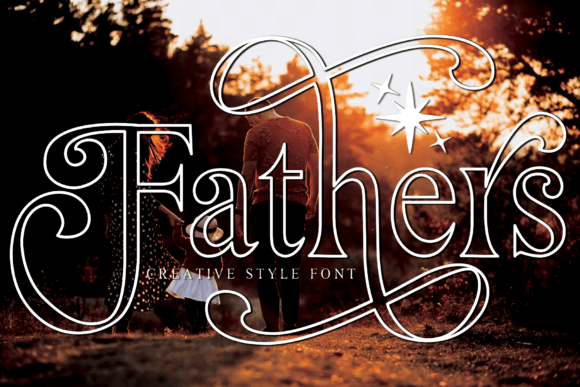
Fathers Outline is classified as a script signature font, yet it possesses unique attributes that distinguish it from traditional cursive or handwriting styles. The defining feature of this typeface is its "outline" construction. Unlike solid fonts where the letterforms are filled with ink, Fathers Outline utilizes strokes that define the perimeter of each character while leaving the interior empty. This creates a visual effect of luxury and sophistication, allowing background textures, images, or colors to show through the letters themselves.
The letterforms are designed to mimic the fluidity of a hand-signed autograph but with a level of geometric consistency that ensures legibility even at smaller sizes. The curves are smooth, and the connections between strokes are natural, avoiding the stiffness often found in mechanical script fonts. This combination of organic flow and architectural precision makes it a versatile tool for various creative applications.
Primary Applications and Use Cases
The versatility of Fathers Outline allows it to function effectively across a wide spectrum of design mediums. Its primary strength lies in contexts where a touch of high-end refinement is required without overwhelming the viewer. Below are specific scenarios where this font demonstrates strong performance:
- Wedding Invitations and Stationery: The elegant nature of the outline style pairs exceptionally well with formal event planning. It can serve as a focal point on invitation headers or as a subtle watermark on stationery paper, adding a sense of occasion and exclusivity.
- Logo Design and Branding: For brands targeting luxury markets, such as jewelry, boutique fashion, or high-end photography, Fathers Outline offers a distinctive logo solution. The open centers of the letters allow for creative integration of brand icons or symbols within the text itself.
- Social Media and Digital Marketing: In the crowded environment of social media feeds, bold typography stands out. Fathers Outline works well for Instagram posts, Pinterest graphics, and banner advertisements where the goal is to capture attention quickly with a sophisticated aesthetic.
- Product Packaging and Labels: When designing labels for artisanal products, cosmetics, or gourmet foods, this font adds a layer of perceived value. The outline style can be rendered in gold foil, embossed textures, or contrasting colors to enhance the tactile feel of the packaging.
- Photography and Watermarks: Photographers often require a watermark that identifies their work without obscuring the image. Because Fathers Outline is transparent within the letterforms, it overlays seamlessly onto complex backgrounds, ensuring the photographer's credit remains visible yet unobtrusive.
Evaluating Benefits and Functional Tradeoffs
While Fathers Outline offers significant aesthetic advantages, designers must weigh these benefits against potential functional limitations. A balanced approach to selection requires understanding both the strengths and the constraints of the typeface.
Key Advantages
The most prominent benefit of Fathers Outline is its ability to create depth. By utilizing negative space within the characters, designers can layer multiple elements, creating a dynamic visual hierarchy that solid fonts cannot achieve. This makes it particularly effective for posters and large-scale wall displays where impact is crucial. Furthermore, the script style conveys a personal, human touch that helps build emotional connections with the audience, which is essential for wedding invitations and personalized branding.
Potential Limitations
The tradeoff for this stylistic flair is reduced legibility in certain contexts. The open structure of outline fonts can sometimes cause issues when used in small sizes or against busy backgrounds. If the contrast between the stroke color and the background is insufficient, the letters may appear fragmented or difficult to read. Additionally, because the font relies heavily on its decorative nature, it is generally unsuitable for body text or long-form content where readability is paramount. It should be reserved for headlines, titles, and short phrases.
Decision-Making Factors for Selection
Selecting Fathers Outline involves more than just liking the look; it requires a strategic assessment of the project goals. Designers should consider the following factors before committing to this typeface:
- Contextual Harmony: Does the outline style complement the surrounding imagery? Since the font is visually "light," it needs to be balanced with heavier graphical elements or substantial imagery to avoid looking washed out.
- Brand Alignment: Is the target audience receptive to ornate typography? Brands aiming for a minimalist, industrial, or highly technical image might find Fathers Outline too decorative. Conversely, it aligns perfectly with brands emphasizing heritage, romance, or luxury.
- Technical Execution: Can the final output support the resolution required for the outline details? Low-resolution prints or pixelated screens may degrade the delicate lines of the script, leading to a loss of quality.
- Linguistic Requirements: Ensure the font supports the necessary character set for the language being used. While standard Latin characters are usually well-supported, specialized diacritics or alternative glyphs may vary depending on the specific version of the font file.
When to Consider Alternatives
While Fathers Outline is a powerful tool, it is not a universal solution. There are situations where other typefaces may be more appropriate. If the project demands high legibility for extended reading, a sans-serif or serif typeface with a solid fill would be a superior choice. Similarly, if the design requires a modern, clean, or utilitarian aesthetic, a geometric sans-serif or a simple monoline script might better serve the message.
Designers working on projects with strict accessibility guidelines should also exercise caution. The open counters in outline fonts can sometimes reduce readability for individuals with visual impairments. In such cases, testing the typeface with accessibility standards is essential before finalizing the design.
Conclusion
Fathers Outline represents a sophisticated addition to any designer's toolkit. Its unique ability to merge the fluidity of a signature script with the structural integrity of an outline makes it ideal for projects requiring a luxurious and elegant touch. From wedding invitations to product packaging, it excels in roles where visual impact and brand personality are prioritized over dense information delivery.
Ultimately, the decision to use Fathers Outline should be driven by the specific needs of the project. By carefully evaluating the context, audience, and technical requirements, designers can determine whether this font will effectively elevate their work or if a different typographic direction is warranted. When applied with intention and restraint, Fathers Outline delivers a refined aesthetic that resonates with audiences seeking quality and style.