Halfpenny: A Practical Evaluation of the Handwritten Cursive Font
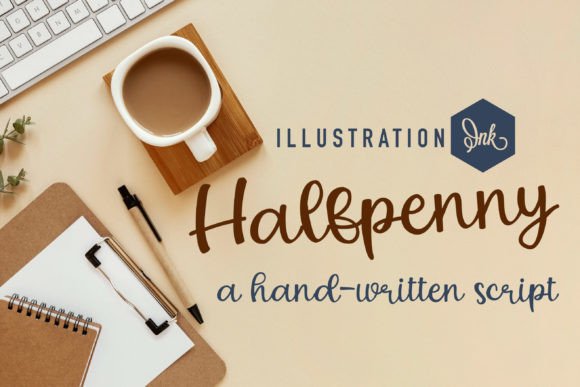
In the landscape of digital typography, finding a typeface that balances readability with authentic character can be challenging. Halfpenny is a font family designed to fill this specific niche. It is characterized as a casual script with print-like uppercase letters. This unique combination creates a visual rhythm that mimics natural handwriting while maintaining the structural clarity required for legibility in various contexts.
For designers, brand managers, and content creators evaluating typefaces, understanding the functional capabilities of Halfpenny is essential before making a selection. This analysis explores the characteristics of the font, its practical applications, and the strategic considerations involved in integrating it into professional projects.
Understanding the Design Characteristics
The defining feature of Halfpenny lies in its hybrid structure. Unlike traditional scripts that rely entirely on fluid, continuous strokes, or standard serif fonts that prioritize rigid uniformity, Halfpenny merges these two approaches. The lowercase characters are rendered in a casual cursive style. These letters flow naturally, suggesting a human touch and an informal tone.
However, the uppercase letters deviate from standard script conventions. Instead of connecting loops and swashes typical of calligraphy, the capital letters are designed with a print-like aesthetic. They stand independently or connect minimally, offering stability and clarity. This duality allows the font to function effectively in scenarios where pure script might become difficult to read, particularly at smaller sizes or when used against complex backgrounds.
The overall typographic quality is described as "gorgeous," a term often reserved for fonts that possess refined kerning, balanced stroke widths, and consistent weight distribution. When implemented correctly, Halfpenny avoids the jagged or overly chaotic appearance that can plague many casual scripts, resulting in a polished look suitable for high-end presentations.
Primary Applications and Use Cases
The versatility of Halfpenny stems from its ability to convey warmth without sacrificing professionalism. Its design makes it a strong candidate for a wide array of industries and project types.
- Branding and Logos: For businesses aiming to establish a personal connection, such as boutiques, artisanal food brands, or creative agencies, Halfpenny offers a distinctive identity. The mix of script and print allows for logos that feel approachable yet grounded.
- Wedding and Event Design: Invitations, stationery, and signage for special events benefit significantly from the handwritten taste of this font. The print-like capitals ensure that names and dates remain legible, while the cursive body adds an element of elegance and romance.
- Social Media and Digital Content: In an era dominated by digital noise, posts that appear handcrafted often garner higher engagement. Halfpenny is well-suited for creating social media graphics, advertisements, and story overlays that require immediate visual appeal.
- Packaging and Product Design: Labels for products like organic cosmetics, craft beverages, or handmade goods often utilize script fonts to imply craftsmanship. Halfpenny provides the necessary texture without compromising the shelf-readability of product information.
- Photography and Watermarks: Photographers frequently seek watermarks that do not distract from the image. The subtle nature of Halfpenny allows it to overlay images effectively, adding a signature touch without overwhelming the visual subject.
Strategic Benefits and Tradeoffs
When evaluating Halfpenny, it is crucial to weigh its advantages against potential limitations. A font that works perfectly for one application may fail in another if the context is not carefully considered.
The Case for Selection
The primary benefit of Halfpenny is its balance. Many casual scripts suffer from poor legibility because every letter connects in a continuous line. By incorporating print-like uppercase letters, Halfpenny mitigates this issue. This makes it a safer choice for headlines and short phrases where clarity is paramount but the designer still desires a handwritten aesthetic.
Additionally, the font's "handwriting taste" helps humanize digital content. In marketing, consumers often respond better to visuals that feel authentic rather than sterile. Using Halfpenny can signal that a brand values individuality and attention to detail.
Considerations and Limitations
Despite its strengths, Halfpenny is not a universal solution. Because it is a script-based font, it should generally be avoided for large blocks of body text. Reading extended passages in a cursive style can cause eye fatigue and reduce comprehension speed.
Furthermore, the casual nature of the script may not align with industries requiring strict formality, such as legal services, financial institutions, or medical technology. In these sectors, a more neutral sans-serif or traditional serif typeface would likely communicate trust and authority more effectively than a handwritten style.
Another consideration is compatibility. While Halfpenny is designed for broad use, it must be tested across different devices and browsers to ensure that the rendering remains consistent. As with any custom font, licensing terms should be reviewed to ensure compliance for commercial projects, especially those involving mass production or widespread digital distribution.
Making the Decision: Is Halfpenny Right for You?
Determining whether Halfpenny aligns with your specific goals requires a clear assessment of your project's requirements. If your objective is to create a visual identity that feels personal, creative, and warm, Halfpenny is a strong contender. It excels in situations where the message needs to be delivered with a touch of elegance and a sense of human effort.
Conversely, if your project demands maximum data density, extreme brevity, or a strictly corporate tone, you may find that alternatives are more appropriate. In cases where the audience is primarily scanning for information quickly, a highly legible sans-serif font might serve the user experience better than a decorative script.
To make an informed decision, consider the following practical steps:
- Test Readability: Draft your key messages using Halfpenny. View them at various sizes, from large display headers down to small mobile captions. Ensure the print-like capitals provide enough contrast to maintain clarity.
- Assess Brand Alignment: Does the "casual" vibe of the font match your brand voice? If your brand is serious and authoritative, this font might undermine your message.
- Evaluate Pairings: Halfpenny often pairs well with clean, simple sans-serif fonts for supporting text. Test combinations to see if they create a harmonious hierarchy.
- Review Licensing: Confirm that the license covers all intended uses, including web embedding, print runs, and merchandise.
Conclusion
Halfpenny represents a thoughtful approach to script typography. By combining the fluidity of cursive with the stability of print-style capitals, it offers a versatile tool for designers seeking to add a human element to their work. Whether applied to wedding invitations, product labels, or social media campaigns, it provides a distinct aesthetic that stands out in a crowded digital environment.
While it is not a replacement for functional body text or a fit for every industry, its specific strengths make it an excellent choice for targeted design challenges. By understanding its characteristics and limitations, users can leverage Halfpenny to enhance their projects with a sophisticated, handwritten touch that resonates with audiences looking for authenticity.