Phoenix: The Retro Script Font That Revives Vintage Design
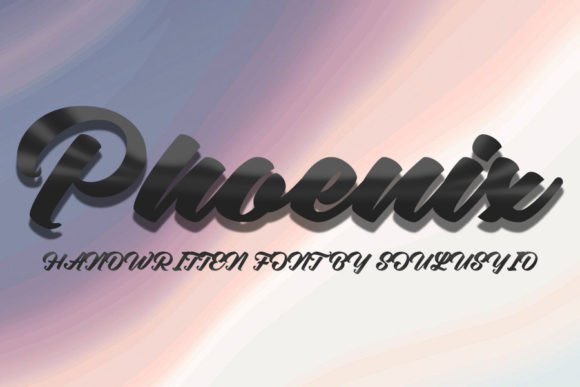
In a digital landscape dominated by clean, geometric sans-serifs and uniform body text, finding a typeface that commands attention while evoking nostalgia is a challenge. Phoenix emerges as a solution for designers who need to bridge the gap between modern utility and historical charm. This retro script font is not merely a decorative element; it is a tool capable of transforming flat layouts into immersive experiences. Whether you are crafting a brand identity or designing a limited-edition poster, Phoenix offers a distinct character that speaks directly to audiences seeking authenticity.
The appeal of this font lies in its ability to mimic the hand-lettered quality of mid-century print media without the time-consuming process of actual calligraphy. It captures the essence of an era where design was tactile and imperfectly beautiful. For professionals ranging from freelance marketers to small business owners, incorporating Phoenix can instantly elevate the perceived value of a project. It suggests a heritage of craftsmanship, which is particularly effective when marketing products that rely on tradition, such as artisanal goods, vintage clothing, or classic literature.
Why Phoenix Stands Out in Modern Projects
Typography does more than convey words; it sets the emotional tone before a single sentence is read. Phoenix brings a specific energy to a design—a sense of movement and personality that blocky fonts often lack. When used correctly, it acts as a visual anchor, drawing the eye immediately to key information. This is why it has become a go-to choice for badges and logos. A logo designed with Phoenix feels established and trustworthy, even if the company is new. It borrows the authority of the past to lend credibility to the present.
Consider the scenario of a boutique coffee shop owner looking to rebrand their signage. Switching from a standard Helvetica to Phoenix changes the entire atmosphere of the storefront. It signals warmth, community, and a slower pace of life. Similarly, for t-shirt designs, this font allows creators to tap into the aesthetic of rock tours, 1970s festivals, or old-school skate culture. The script style adds a layer of flair that makes the garment feel like a piece of art rather than just merchandise.
However, the versatility of Phoenix extends beyond simple decoration. In branding, consistency is key. Using this font across various touchpoints—from packaging to social media graphics—creates a cohesive narrative. It tells a story of continuity. When a consumer sees the same distinctive script on a product box, a website header, and a business card, they subconsciously recognize the brand's identity. This recognition builds trust over time, which is a critical factor for entrepreneurs trying to establish a foothold in competitive markets.
Practical Applications for Creative Professionals
The utility of Phoenix is most evident in its adaptability across different mediums. For book cover designers, the font provides an immediate genre cue. It works exceptionally well for mystery novels set in the noir era, historical fiction, or memoirs that require a personal, handwritten touch. The fluid strokes of the letters suggest a narrative journey, inviting the reader to open the book and explore the story within.
- Posters and Event Signage: Large-scale prints benefit from the high contrast and dramatic flair of Phoenix. It ensures legibility from a distance while maintaining an artistic edge that standard fonts cannot achieve.
- Packaging Design: For food and beverage products, especially those emphasizing organic ingredients or traditional recipes, Phoenix adds a premium feel. It distinguishes the product on crowded shelves by offering a visual break from the sea of corporate typography.
- Digital Marketing: Even in digital spaces, this font can be used sparingly for headlines or call-to-action buttons. It breaks the monotony of web content and encourages users to engage with the message.
Educators and bloggers also find value in this typeface. A blog post about history, travel, or lifestyle can use Phoenix for pull quotes or section headers to enhance readability and visual interest. It helps guide the reader through the content, making long-form articles less daunting. By varying the font weight and size, writers can create a hierarchy of information that is easy to scan.
Strategic Implementation and Best Practices
To get the most out of Phoenix, one must understand the context in which it performs best. While it is powerful, it is not a universal replacement for all other typefaces. Its strength lies in display usage rather than body copy. Using Phoenix for large blocks of text can reduce readability and fatigue the eyes of the reader. The optimal approach is to pair it with a neutral, highly legible sans-serif or serif font. This combination balances the decorative nature of the script with the clarity needed for information delivery.
For example, a wedding invitation suite might use Phoenix for the names of the couple and the event title, while utilizing a clean serif font for the details regarding date, time, and location. This pairing ensures that the romantic, vintage vibe is preserved without sacrificing essential information. Similarly, in logo design, the script can serve as the primary mark, supported by a simpler secondary lockup for scalability.
There are limitations to consider, particularly regarding digital rendering. On low-resolution screens or when scaled down too much, the intricate details of the script may become muddy. Designers should test their work at various sizes to ensure the integrity of the letterforms remains intact. Additionally, accessibility should always be a priority. If the goal is to reach a broad audience, including those with visual impairments, relying solely on decorative fonts for critical navigation elements is not advisable.
When comparing options, it is important to evaluate the specific nuances of Phoenix against other retro scripts. Some fonts lean heavily into grunge or distressed styles, while others maintain a cleaner, more elegant line. Phoenix strikes a balance that suits a wide range of vintage aesthetics, from Art Deco to Mid-Century Modern. This flexibility makes it a valuable asset in a designer's toolkit, allowing for diverse creative directions without needing to switch type families constantly.
Supporting Goals Through Visual Storytelling
Ultimately, the decision to use Phoenix is a strategic one rooted in communication goals. It is about choosing the right voice for your message. If the objective is to evoke emotion, spark curiosity, or create a sense of timelessness, this font delivers. It simplifies the decision-making process for creators who want to inject personality into their work without spending hours customizing lettering.
For hobbyists and freelancers, the efficiency gained from using a pre-designed script like Phoenix cannot be overstated. It reduces the learning curve associated with complex design software, allowing users to focus on composition and color theory instead of struggling with kerning and baseline shifts. This efficiency translates into faster turnaround times and the ability to take on more projects, which is vital for growing a business.
Furthermore, Phoenix supports the broader trend of "retro-futurism" and nostalgia marketing. Consumers are increasingly drawn to brands that feel human and authentic. In a world of algorithmic content, a font that looks hand-crafted stands out as a sign of genuine effort. It resonates with adults aged 20 to 50 who appreciate the cultural references of previous decades but apply them to contemporary contexts.
By integrating Phoenix thoughtfully into branding, packaging, and digital assets, professionals can create a lasting impression. It is a font that remembers the past while helping to shape the future of a design. Whether you are launching a new startup, revamping an existing brand, or simply creating art for fun, Phoenix offers a reliable way to communicate style and substance in equal measure.