Vagodha: Evaluating the Impact of Reverse Contrast in Modern Typography
In the vast landscape of digital and print design, selecting the right typeface often determines whether a project feels generic or genuinely memorable. Among the myriad of options available to designers, Vagodha has emerged as a distinctive choice for those seeking to break away from conventional norms. This retro reverse contrast script font offers more than just aesthetic novelty; it provides a structural twist that challenges traditional readability while delivering a captivating visual narrative.
Understanding Vagodha requires looking beyond simple classification. It is not merely a decorative element but a strategic tool that brings a unique and striking visual appeal to your designs. By reimagining the fundamental mechanics of stroke weight, this font invites designers to reconsider how text interacts with space, color, and imagery.
The Mechanics of Reverse Contrast
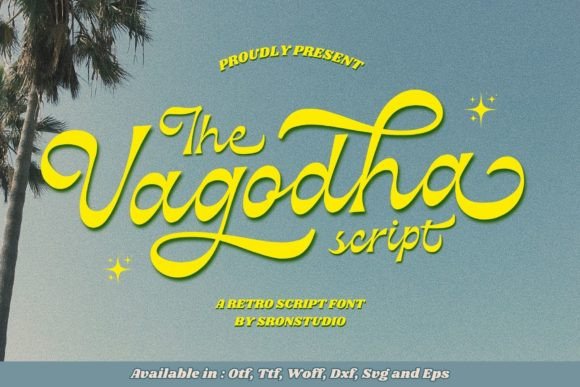
At the heart of Vagodha's identity lies its defining characteristic: the reverse contrast. In traditional typography, particularly in serif and script families, thick strokes typically occur at the vertical axis (the downstrokes), while thin strokes appear on horizontal or diagonal movements (the upstrokes). This mimics the natural flow of writing instruments like broad-edged pens or brushes.
Vagodha flips this established rule. The font features an intriguing twist where the thin strokes are replaced by thick ones and vice versa. This inversion creates a dynamic tension within every letterform. When applied to a headline or a logo, the result is immediate and arresting. The eye is drawn to the unexpected thickness of the upstrokes, creating a rhythm that feels both vintage and futuristic simultaneously.
This mechanical deviation serves a specific purpose. It prevents the design from blending into the background. While standard fonts aim for invisibility and seamless integration, Vagodha demands attention. It acts as a visual anchor, ensuring that the message is not just read but experienced. The texture created by these reversed weights adds depth to flat surfaces, giving even simple text a tactile quality that resonates with audiences accustomed to clean, minimalist interfaces.
Bridging Vintage Aesthetics with Modern Needs
While the technical structure is unique, the inspiration behind Vagodha is deeply rooted in history. Inspired by vintage aesthetics, the font captures the spirit of mid-century signage and hand-lettered advertisements without resorting to clichéd imitation. Designers often struggle to balance nostalgia with modern legibility. Many retro fonts fail because they are too difficult to read or feel dated in a way that alienates contemporary users.
Vagodha navigates this challenge by maintaining the fluidity of a script while adhering to a bold, graphic structure. The reverse contrast allows the letters to retain their elegance while gaining a robustness that stands up well against high-resolution screens and large-format prints. This makes it suitable for a wide range of applications, from packaging design to digital headers, provided the context is chosen carefully.
Evaluating Vagodha Against Traditional Script Options
When evaluating Vagodha, it is essential to compare it with similar options available in the market. Most script fonts fall into two categories: formal calligraphy styles that prioritize elegance and legibility, and display scripts that focus on flair. Vagodha occupies a niche that blends elements of both but introduces a structural difference that sets it apart.
- Traditional Calligraphy Fonts: These rely on thick downstrokes and thin upstrokes to mimic pen pressure. They are excellent for invitations, wedding stationery, and elegant branding. However, they can sometimes lack the punch required for modern marketing materials or require significant scaling to remain legible at smaller sizes.
- Standard Display Scripts: These fonts often use uniform stroke widths or exaggerated flourishes to grab attention. While effective, they can quickly become visually overwhelming if overused, leading to a cluttered design that lacks sophistication.
- Vagodha: By utilizing reverse contrast, Vagodha offers a middle ground. It possesses the flair of a display font but maintains a structural integrity that prevents it from feeling chaotic. The thick upstrokes provide a sense of stability that traditional scripts often lack, making it a versatile alternative for brands that want to evoke a retro vibe without sacrificing modern clarity.
Designers comparing these options should consider the hierarchy of information. If the goal is to create a subtle, supportive text layer, a traditional script might be safer. However, if the objective is to create a focal point—a hero headline, a product name, or a key slogan—Vagodha's unique contrast ensures it commands the viewer's gaze immediately.
Tradeoffs and Limitations
No single typeface is a universal solution, and Vagodha is no exception. Its most significant tradeoff lies in its application context. Because the font relies heavily on visual impact, it is less suited for body copy or long-form content. The reverse contrast, while striking, can reduce reading speed and comfort when used in dense paragraphs. The eye must work harder to process the unusual stroke patterns, which can lead to fatigue during extended reading sessions.
Furthermore, the "retro" nature of the font means it carries a specific cultural baggage. It evokes a sense of the past, which is ideal for certain industries but potentially distracting for others. For instance, a technology startup aiming to convey cutting-edge innovation might find Vagodha too nostalgic. Conversely, a craft brewery or a boutique fashion label would likely find it perfectly aligned with their brand identity.
Another limitation to consider is compatibility with complex layouts. The varying stroke weights can interact unpredictably with other graphical elements. In designs with busy backgrounds or intricate illustrations, the thick upstrokes of Vagodha might compete with other visual details, causing the text to lose its distinctiveness. Careful spacing and background management are crucial to ensure the font performs as intended.
Strategic Decision Factors for Implementation
Choosing Vagodha should be a deliberate decision based on the specific goals of the project. It is not merely a stylistic preference but a functional choice that impacts user experience and brand perception. To make an informed decision, designers should evaluate the following factors.
- Brand Personality: Does the brand value uniqueness and historical connection? If the brand story revolves around craftsmanship, heritage, or artistic expression, Vagodha reinforces these values effectively. If the brand prioritizes speed, efficiency, and neutrality, a more standard sans-serif or geometric typeface would be a better fit.
- Readability Requirements: Determine the length of the text. Vagodha excels in short bursts—titles, captions, and logos. It should generally be avoided for instructional text, legal disclaimers, or navigation menus where clarity is paramount.
- Visual Hierarchy: Consider how the text will sit among other elements. The reverse contrast works best when paired with clean, minimal backgrounds that allow the font to shine. It can also be effective when layered over textured images, provided the contrast between the text and the image remains sufficient.
- Target Audience: Adults aged 20–50 are a diverse demographic. Younger segments may appreciate the edgy, unconventional nature of the reverse contrast, while older segments might prefer the familiarity of traditional serif or script styles. Understanding the specific preferences of the target audience is vital before committing to this style.
When Vagodha Is the Right Choice
Vagodha is particularly effective in scenarios where differentiation is the primary goal. In crowded marketplaces, such as food and beverage, fashion, and entertainment, standing out is essential. The font's ability to create a strong visual impression makes it an excellent tool for packaging labels, event posters, and social media graphics. It transforms ordinary text into a design element that contributes to the overall composition rather than just conveying information.
Additionally, Vagodha is well-suited for projects that aim to evoke a specific mood or era. Whether designing a menu for a speakeasy-style bar or promotional material for a vintage car show, the font provides an instant atmospheric cue. It bridges the gap between the past and present, allowing designers to tell a story through typography alone.
When to Choose an Alternative
There are clear instances where Vagodha may not be the optimal choice. If the project requires high accessibility standards, such as government websites or medical information portals, the potential for reduced legibility makes it a risky selection. Similarly, for corporate communications that demand a tone of seriousness and reliability, the playful nature of the reverse contrast might undermine the intended message.
In these cases, designers should look toward more neutral alternatives. Standard script fonts that adhere to traditional stroke rules offer elegance without the visual disruption. Alternatively, sans-serif fonts with variable weights can provide the necessary emphasis without relying on stylistic gimmicks. The key is to align the typeface with the functional requirements of the medium.
Conclusion on Selection and Application
Selecting the right font is a balancing act between creativity and functionality. Vagodha represents a compelling option for designers willing to take a calculated risk to achieve a standout result. Its reverse contrast mechanism offers a fresh perspective on retro typography, providing a tool that is both visually striking and structurally interesting.
However, success with Vagodha depends on thoughtful application. It is not a one-size-fits-all solution but a specialized instrument for specific design challenges. By understanding its strengths, acknowledging its limitations, and carefully evaluating the needs of the project, designers can leverage Vagodha to create work that is not only beautiful but also effective. Whether used to add a touch of vintage charm to a modern layout or to serve as the centerpiece of a bold campaign, this font proves that sometimes, flipping the script leads to the most memorable outcomes.